Retro Handheld Game: A Designer's Review for 90s Embroidery
As someone who spends most of their day staring at stitch simulations and thread charts, I approach every new machine embroidery design with a healthy dose of skepticism. We have all seen those cute graphics that look perfect on a screen but turn into a tangled mess of bird nests once the needle hits the fabric. That is why I was particularly interested in putting the Retro Handheld Game design through its paces. This isn't just about downloading a file; it is about determining if this asset can hold up in a real-world craft business or as a standout piece in a personal collection.
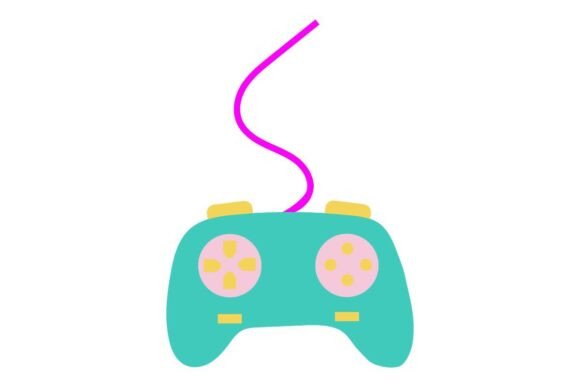
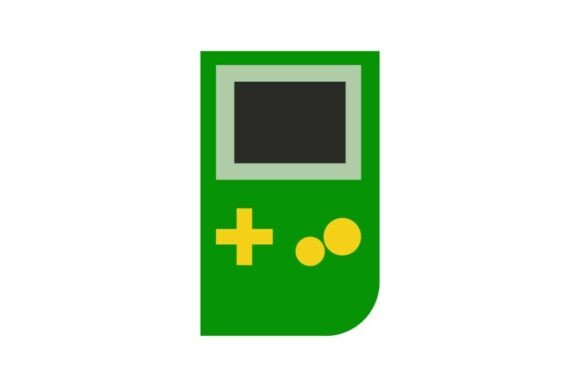
The first thing that strikes you about the Retro Handheld Game is its immediate mood. It captures that specific, warm nostalgia of the 90s without feeling dated or cluttered. The illustration features a classic green console body paired with bright yellow buttons, creating a color palette that pops against almost any background. For an Etsy seller or boutique owner, this visual personality is gold. It speaks directly to millennials looking to reclaim their childhood and Gen Z consumers who love vintage tech aesthetics. The layout is clean, avoiding unnecessary noise, which suggests it was created with stitching clarity in mind rather than just digital display.
Putting the Design to the Test: Real-World Scenarios
To truly evaluate this embroidery file, I imagined a specific project scenario: a custom order for a local gaming cafe that needed branded merchandise. They wanted something fun but professional for their staff uniforms and a line of merchandise for customers. I visualized the Retro Handheld Game stitched onto a heather grey sweatshirt. In this context, the green and yellow combination offers excellent contrast. The design doesn't get lost in the fabric texture, and the shapes are distinct enough to be recognizable from a distance.
Beyond apparel, this graphic feels incredibly versatile for home goods. I could easily see this working as a central motif on a heavy canvas tote bag design. The bold lines would translate well into a satin stitch border with a fill stitch interior, giving the bag a textured, high-quality feel. It would also make a fantastic embroidered patch. If you are looking to create iron-on or sew-on patches for jackets or backpacks, the compact nature of the handheld console shape fits perfectly within standard hoop limitations while still making a statement.
For those focusing on the nursery market, this design bridges the gap between "baby" and "cool." A small version of the Retro Handheld Game on a baby onesie or a nursery pillow cover adds a playful touch without being overly juvenile. It allows parents to share their own interests with their children, making it a highly sellable personalized gift option. The simplicity of the icon means it scales down well, provided the digitizer has accounted for minimum stitch lengths.
Technical Considerations and Fabric Compatibility
While the aesthetic is strong, a professional designer must always consider the technical execution. The Retro Handheld Game relies on solid blocks of color, which generally indicates a reliance on fill stitch areas. This is great for durability and coverage, but it requires attention to stitch density. If the density is too high, the design can become stiff, especially on lighter fabrics like t-shirts or baby clothes. Conversely, if it is too low, the fabric might peek through, ruining the solid green and yellow look.
When working with stretchy fabrics, such as jersey knits for custom apparel, using the correct stabilizer is non-negotiable. I would recommend a cut-away stabilizer for this design to prevent distortion over time, especially since gaming gear implies active use. For structured items like caps or curved surfaces, the design's relatively flat geometry should work well, but you must ensure the hoop size accommodates the width of the console without crowding the edges. Always check the specific dimensions of the file before hooping to avoid hitting the hoop walls.
One area requiring caution is dark fabric. While the yellow buttons will likely shine, the green body might lose some vibrancy on black or navy materials unless the digitizer included an underlay or the design is intended as an applique design. If you are working with dark textiles, test a sample first. You may need to adjust thread colors slightly or add a white underlay to ensure the green remains true to the retro vibe. Similarly, on textured fabrics like towels or blankets, fine details can get lost. The Retro Handheld Game appears to have a forgiving level of detail, but inspecting the small corners and button definitions on a scrap piece of your actual material is a crucial step.
Commercial Viability and Brand Impact
From a business perspective, the value of a design lies in its ability to enhance the perceived value of the finished product. The Retro Handheld Game exudes a sense of fun and quality. When a customer sees this stitched cleanly on a product, it signals professionalism. It avoids the cheap, pixelated look that sometimes plagues lower-quality digital embroidery files. For a small shop product line, consistency is key. This graphic is distinct enough to become a recognizable part of your brand identity if used across multiple items, from aprons to holiday gifts.
However, before listing items on your store, you must verify the licensing terms. The product description notes that the download includes 1 PNG File and 1 SVG File. It is vital to understand that SVG and PNG formats are typically vector and raster image files used for printing, cutting machines, or digital mockups, not necessarily native machine embroidery design formats like PES, DST, or EXP. If you intend to stitch this out, you may need to use software to convert these graphics into stitch data or confirm if the seller provides separate embroidery-specific files. Using an image file directly for embroidery without proper digitizing can lead to poor stitch quality. Always confirm the file types match your machine's requirements.
Final Verdict for Makers and Designers
The Retro Handheld Game is a charming addition to the Crafts and Graphics marketplace, offering a strong visual hook for anyone targeting the retro gaming niche. Its strength lies in its simplicity and emotional resonance. Whether you are creating a holiday embroidery gift for a gamer friend or launching a new line of commercial embroidery products, this design has the potential to perform well.
My advice is to treat it as a flexible asset. Test it on various fabric textures, play with thread colors to see if a metallic thread on the buttons adds extra flair, and ensure your stabilization method matches the garment type. If you take the time to prep correctly, this design can elevate a simple piece of fabric into a conversation-starting handmade product. Just remember to double-check those file formats to ensure you have the right tools for the job. With the right approach, the Retro Handheld Game is a winning choice for modern makers.