Geometric Gaming Controller: A Designer's Review
As a designer who spends more time staring at stitch maps than most people spend watching TV, I approach every new machine embroidery design with a mix of curiosity and skepticism. We've all been there: you download a file that looks crisp on the screen, only to find it turns into a puckered mess or a blob of thread once it hits the fabric. That is why I took a close look at the Geometric Gaming Controller before committing it to any client work or personal projects. This isn't just about whether it looks cool; it's about whether it holds up under the needle and delivers value to the end user.
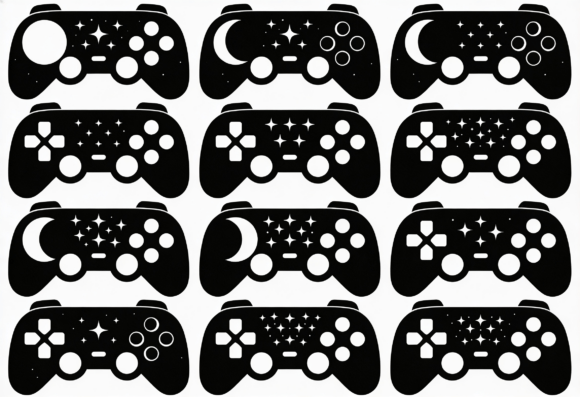
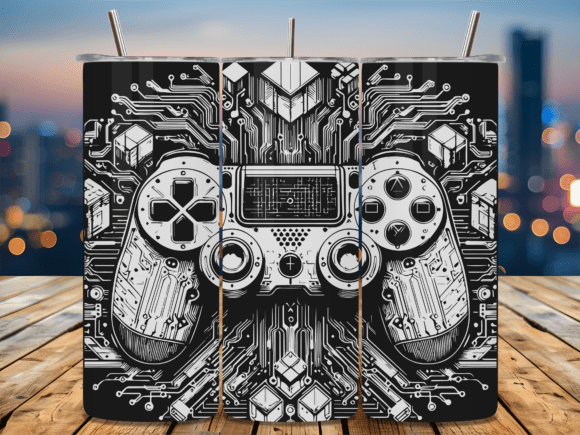
The first thing that strikes me about this design is its mood. It feels modern, clean, and slightly retro-futuristic, which fits perfectly with the current aesthetic trends in gaming culture. The layout relies on strong lines and defined shapes rather than overly complex shading, which is often a smart move for embroidery. In the world of Graphics and digital assets, geometric styles can sometimes feel too rigid, but here, the translation to thread seems intentional. The visual personality suggests a product that appeals to Gen Z and millennials, making it an excellent candidate for boutique branding or personalized gifts.
Real-World Application: The Custom Tote Test
To truly evaluate this embroidery file, I imagined a specific real-life scenario: creating a custom tote bag for a local gaming convention. Tote bags are a staple for Etsy sellers and craft fair vendors because they are practical and offer a large canvas. However, canvas fabric has a distinct texture that can challenge detailed designs.
If I were stitching the Geometric Gaming Controller onto a heavy cotton tote, the geometric lines would likely shine. The sharp angles of the controller shape provide a nice contrast to the organic weave of the fabric. For a small shop product, this design offers immediate recognition. A customer walking past a booth would instantly identify the subject matter without needing to read a label. That kind of instant visual communication is gold for craft business owners looking to maximize foot traffic engagement.
Beyond totes, I can see this working beautifully as sweatshirt embroidery. Imagine a charcoal grey hoodie with this design stitched in a contrasting neon green or electric blue thread. The simplicity of the geometric forms means it won't get lost in the fleece texture, a common issue with highly detailed fill stitch areas. It strikes a balance between being decorative and maintaining the structural integrity of the garment.
Performance Across Different Fabrics and Projects
One of the strengths of the Geometric Gaming Controller is its versatility across various custom apparel items. Because the design appears to rely on clear outlines and solid shapes, it translates well to different materials. For baby embroidery, such as a onesie or a nursery pillow cover, the lack of tiny, fragile details is a huge plus. Babies are rough on clothes, and designs with excessive satin stitching or tiny running stitches tend to fray quickly after multiple washes. A geometric approach ensures longevity, which is a key selling point for parents buying personalized gifts.
However, we must talk about where caution is needed. If you are planning to use this on stretchy fabrics like jersey knits for t-shirts, the density of the stitches becomes critical. Geometric shapes often require dense filling to look solid. If the stitch density is too high, it can cause the fabric to pucker or restrict movement. Before stitching a full run of shirts, I would strongly advise testing the design on a scrap piece of the same fabric. Check how the fabric behaves when removed from the hoop. Does it bounce back, or does it remain distorted?
Similarly, curved surfaces like caps present a unique challenge. While a controller shape is generally compact, placing it on the front panel of a baseball cap requires careful positioning. The geometric corners need to remain sharp; if the stabilizer isn't robust enough, those crisp lines can soften into curves, ruining the "digital" feel of the design. For cap embroidery, using a cut-away stabilizer is usually non-negotiable to maintain that professional finish.
Visual Appeal and Brand Consistency
In the context of commercial embroidery, consistency is everything. If you are building a brand around gaming accessories or lifestyle products, the Geometric Gaming Controller offers a cohesive look. It doesn't scream "novelty item"; instead, it feels like a legitimate logo or icon. This elevates the perceived value of the finished product.
When customers see clean lines and precise corners, they subconsciously associate that quality with the maker's skill. It builds trust. For an embroidered patch, this design would be particularly effective. Patches allow for higher stitch densities and specialized backing, meaning the geometric edges can be razor-sharp. A patch featuring this controller could easily become a collectible item for gamers, adding a revenue stream for designers who sell physical goods alongside their design assets.
It is also worth considering how this design performs in black and white or single-color applications. Sometimes, a design relies too heavily on color gradients to define its shape. From my assessment, the strong silhouette of the Geometric Gaming Controller suggests it would hold up well even as a monochrome running stitch outline or a single-color fill. This is crucial for creating printable mockups or offering budget-friendly options to clients who want a subtle look.
Practical Notes for the Studio
Before you load this file into your machine, here are a few practical steps I recommend taking to ensure success:
- Check the Hoop Size: Verify that the design fits within your available hoop dimensions, especially if you are working with smaller items like baby socks or pocket logos.
- Thread Color Contrast: Experiment with high-contrast thread colors to make the geometric lines pop against dark fabrics. Metallic threads could also add an interesting dimension to the "tech" vibe of the controller.
- Fabric Texture Matters: Remember that textured fabrics like towels or waffle knits will absorb some of the detail. You may need to adjust the pull compensation or choose a simpler stitch type for these materials.
- Licensing Verification: Since this falls under the Crafts category, always double-check the license terms. Ensure you have the right to use the file for commercial purposes if you intend to sell finished items on Etsy or at craft fairs.
- Stabilizer Selection: Match your stabilizer to the fabric weight. Heavy designs on light fabric require substantial support to prevent sagging over time.
Ultimately, the Geometric Gaming Controller feels like a reliable tool in a designer's toolkit. It avoids the pitfalls of over-complication while delivering a strong thematic statement. Whether you are creating holiday gifts for family, stocking inventory for a small online store, or producing branded merchandise for a local esports team, this design offers a solid foundation. It respects the limitations of the embroidery medium while pushing for a modern aesthetic. As with any digital embroidery file, the final result depends on your setup and material choices, but the potential here is undeniable. With the right preparation, this design can help you create products that stand out in a crowded market.