Gaming Gear Clipart Set: A Designer's Review for Embroidery
As someone who spends half their life staring at digitized files and the other half wrestling with thread tension, I approach new design assets with a healthy dose of skepticism. We see a lot of "bold" graphics that look fantastic on a screen but turn into a bird's nest of broken needles once they hit the fabric. That is why I took a close look at the Gaming Gear Clipart Set to see if it holds up under the needle. This isn't just about whether the vectors are clean; it is about whether this collection can translate into a viable embroidery project for a craft business or a personalized gift.
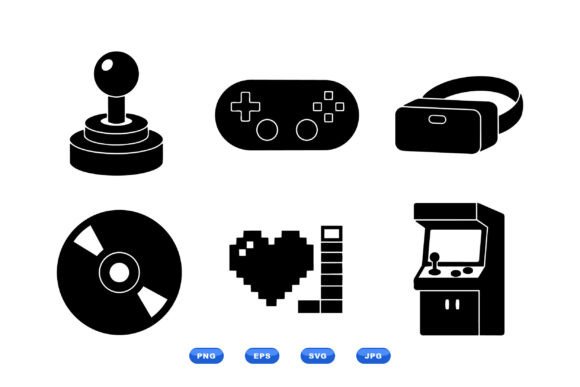
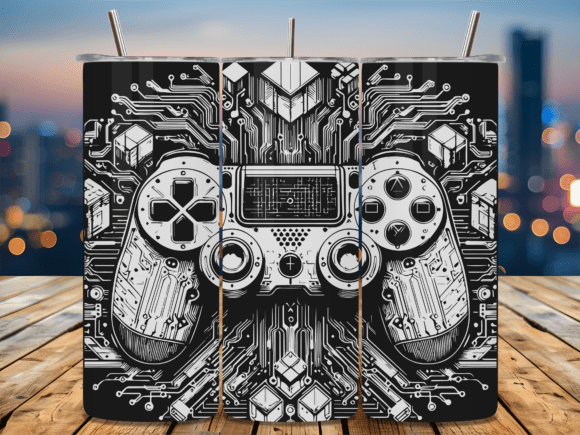
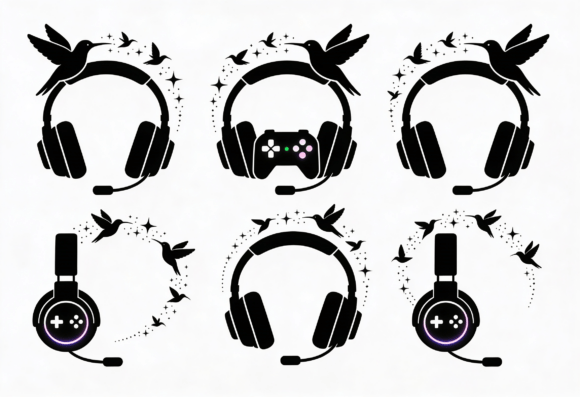
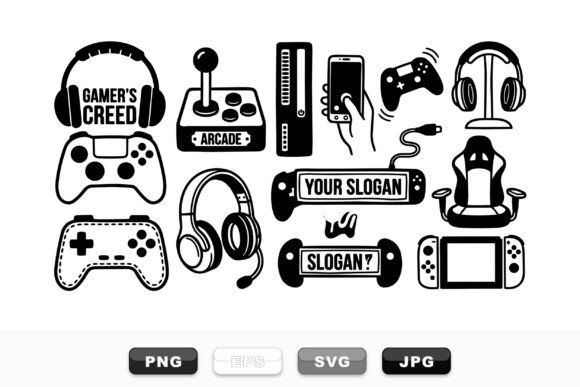
The first impression of this set is its unapologetic modernity. The description highlights a flat design aesthetic featuring monochrome gaming controllers, headsets, arcade sticks, handheld consoles, and chairs. For an embroidery designer, "flat design" usually signals good news: fewer gradient fills and cleaner lines. The mood here is distinctly retro-modern, tapping into that nostalgic arcade vibe while keeping the silhouettes sharp enough for contemporary branding. Visually, these elements feel right at home on a sweatshirt embroidery project or a structured embroidered patch. They possess a visual personality that speaks directly to gamers, streamers, and the tech-savvy crowd without feeling cluttered.
From Vector to Stitch: Real-World Application
To truly evaluate these Graphics, I imagined a specific real-life scenario. Picture a local esports team needing custom warm-up jackets, or perhaps a parent wanting a unique personalized gift for a teenager's birthday. I visualized taking the controller icon from the Gaming Gear Clipart Set and placing it on the left chest of a heavy cotton hoodie. Because the designs are described as bold and monochrome, they would likely translate beautifully into a solid fill stitch or a wide satin stitch border.
In a commercial setting, clarity is king. If you are an Etsy seller listing custom apparel, your customers need to recognize the image instantly. The silhouette of the headset or the arcade stick in this set is distinct enough that even when scaled down for a tote bag design or a pocket logo, the subject matter remains clear. There is no ambiguity. This kind of recognition builds customer trust. When a buyer sees a finished product that looks professional and crisp, they associate that quality with your brand. Using high-quality design assets like this elevates the perceived value of your handmade product, allowing you to justify higher price points for your small shop product offerings.
However, moving from a vector file to a machine embroidery design requires some mental translation. Since the downloadable ZIP includes SVG, EPS, JPG, and PNG files, you are starting with graphic vectors, not necessarily pre-digitized embroidery files. This is a crucial distinction. You will need to run these through your digitizing software to create the actual embroidery file compatible with your machine. The benefit here is control. Because the source art is clean and bold, the digitizing process should be straightforward. You can decide whether to use a dense tatami fill for a solid look or a lighter running stitch pattern if you want a more textured, vintage feel on a kitchen towel or pillow cover.
Navigating Fabric Challenges and Hoop Limitations
While the bold nature of the Gaming Gear Clipart Set is an asset, it also demands respect regarding fabric choice. Bold, solid shapes often require significant stitch coverage. If you are working on a stretchy fabric like a lightweight jersey for baby embroidery, you must be cautious. High stitch density on thin, stretchy material can lead to puckering or stiffness that makes the garment uncomfortable to wear. In these cases, I would recommend using a cut-away stabilizer rather than a tear-away to provide permanent support, ensuring the finished product maintains its shape after washing.
Curved surfaces present another hurdle. Placing the gaming chair or the full controller graphic on a structured cap is possible, but the curvature of the crown can distort wide, flat areas. For a cap project, I would suggest isolating smaller elements from the set, like just the joystick or the headphone earcup, to fit within a smaller hoop size and accommodate the curve without distortion. Similarly, if you are working with textured fabrics like terrycloth towels or fleece blankets, the fine details of the vector might get lost. The monochrome style helps here, as high contrast between the thread colors and the fabric background will help the design pop, but you may need to simplify the internal details during the digitizing phase to prevent thread breaks.
Dark fabrics are where this set could truly shine. A white or neon thread against a black hoodie creates that classic "gamer" aesthetic. However, when stitching light thread on dark fabric, you must ensure your digitizing includes a proper underlay to prevent the background fabric from peeking through the stitches. This is especially important for the larger fill areas in the controller and chair designs. A poorly underlaid design on dark fabric looks amateurish and can ruin the professional look you are aiming for in your commercial embroidery projects.
Strategic Notes for the Professional Maker
Before committing this design to a client's order, there are several practical steps every designer should take. First, always test the design on scrap fabric that matches your final material. Check how the stitch density behaves. Does the fabric pucker? Do the threads break at sharp corners? Since the original files are graphics, you have the freedom to adjust the scale. Test the design in both large formats for back-of-shirt prints and small sizes for sleeve logos to find the sweet spot where detail meets durability.
Color contrast is another vital check. Even though the source art is monochrome, your thread palette does not have to be. Experiment with variegated threads for the fill to add depth, or use a metallic thread for the outlines to give the holiday embroidery gift a festive sparkle. Create black and white mockups first to ensure the shape reads well without color reliance, then add your brand's specific colors. This ensures your printable mockup listings on Etsy accurately represent what the customer will receive.
Finally, we must address the business side. As a Crafts professional, understanding licensing is non-negotiable. The product description mentions the files are useful for branding and web, but you must confirm the specific license terms regarding commercial embroidery. Can you sell the physical embroidered items? Can you sell the digitized version? Never assume. Clarify these terms to protect your craft business from legal issues. If the license allows for commercial use of finished goods, this set becomes a powerful tool in your inventory, ready to be deployed on everything from aprons for a gaming-themed cafe to blankets for a nursery.
In conclusion, the Gaming Gear Clipart Set offers a solid foundation for modern embroidery projects. Its bold, flat aesthetic minimizes unnecessary complexity while maximizing visual impact. With careful attention to stabilizer selection, stitch density, and fabric compatibility, these graphics can be transformed into high-quality, durable, and highly marketable embroidered goods. For the designer willing to put in the prep work, this collection is a winning player in the lineup.