Retro Arcade Icon Pack: Graphics for Crafts
When a client approaches me with a brief centered around nostalgia, gaming culture, or a vibrant youth-oriented brand, my first instinct is to scan the available graphic design assets that can instantly communicate that specific mood. Recently, while preparing a visual concept for a local arcade bar and merchandise line, I took a close look at the Retro Arcade Icon Pack. This collection immediately stood out as a potent tool for creative design projects that require an authentic 8-bit aesthetic without the hassle of creating pixel art from scratch.
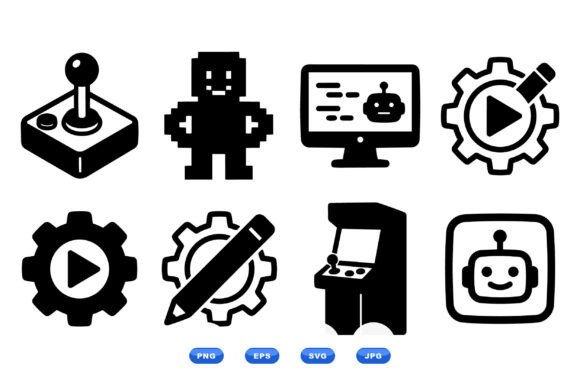
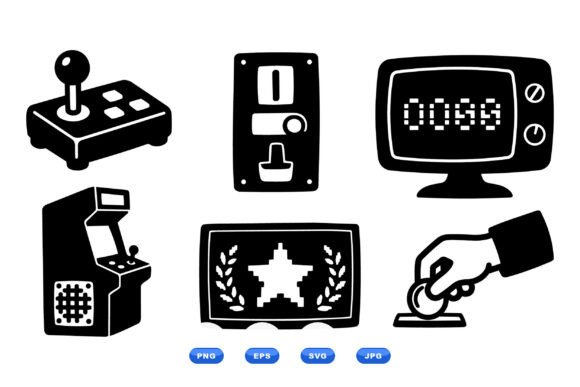
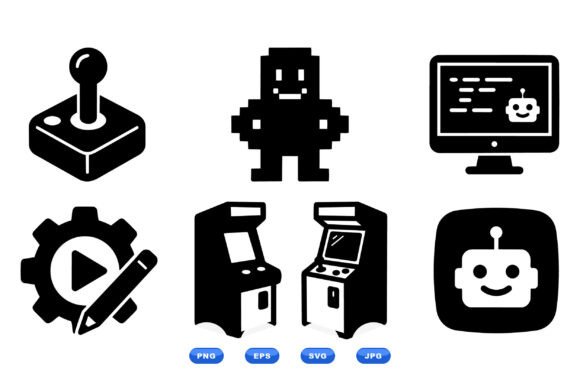
The first impression of this digital product is one of pure, unadulterated fun. The style is unmistakably flat pixel art, capturing the essence of early console gaming. It features a curated selection of retro gaming symbols, including joysticks, classic arcade cabinets, pixelated characters, code monitors, and even a charming smiling robot face. These elements are not just decorative; they carry a heavy emotional weight for anyone who grew up in the golden age of video games. For a designer, this means the asset does half the work for you by instantly triggering recognition and warmth in the viewer. The vibrant color palette ensures that these icons pop against various backgrounds, making them ideal for projects that need to feel energetic and lively.
Integrating Pixel Perfection into Real Client Work
In the context of a real client project, versatility is king. I evaluated how the Retro Arcade Icon Pack would perform across a spectrum of deliverables, from physical goods to digital presence. For brand identity and logo design, the distinct shapes of the joystick and arcade cabinet offer strong silhouettes that can serve as the cornerstone of a logo mark. However, because pixel art relies on grid alignment, it works best when scaled appropriately. It shines brilliantly in packaging design for limited-edition drops, where the retro vibe adds a layer of exclusivity and cool factor.
For those running a handmade business or an Etsy product line, this pack is a goldmine. The individual elements function perfectly as clipart or illustration components for sublimation design. Imagine applying these vibrant pixels to t-shirts, mugs, or tote bags; the blocky nature of the art translates exceptionally well to fabric and ceramic surfaces. As a t-shirt design element, the smiling robot face or the pixel character could easily become a best-seller for a niche audience. Furthermore, for users of cutting machines, these graphics can be adapted into a Cricut project for creating custom stickers or vinyl decals, provided the resolution holds up during the tracing process.
In the digital realm, the utility remains high. These icons are perfect for social media graphics, particularly for Instagram posts or Pinterest pins that aim to stop the scroll with bold, colorful imagery. They can also enhance web design by serving as unique bullet points, navigation icons, or hero graphics for a landing page. If you are building a Canva template for gamers or tech enthusiasts, dropping these elements in adds immediate thematic consistency. The downloadable ZIP pac format suggests ease of access, allowing designers to quickly drag and drop these assets into their workflows.
Strategic Placement and Visual Hierarchy
Understanding where to place these assets is crucial for maintaining visual hierarchy. The Retro Arcade Icon Pack excels in large layout areas and as hero graphics where the details of the pixelation can be appreciated. They make excellent decorative accents in themed collections or campaign visuals that revolve around technology and play. In editorial design, such as a magazine spread about the history of gaming, these icons can break up text and add visual interest without overwhelming the reader.
However, caution is required. Pixel art can lose its definition when shrunk too small. In crowded layouts or low-contrast designs, the jagged edges of the pixels might create visual noise rather than clarity. Therefore, I would advise against using these icons for minimalist branding or professional corporate materials where a sleek, vector-smooth look is mandatory. They are not suitable for projects requiring very clean visual hierarchy in tiny footnotes or complex data charts. The charm of pixel art lies in its deliberate roughness, which can clash with ultra-modern, sterile corporate aesthetics.
Technical Considerations for Professional Use
Before committing to this design bundle for a commercial client, there are several practical steps a designer must take. First, test the icons in black and white. While the vibrant colors are a selling point, a strong logo or icon must hold its shape in monochrome for fax headers, embroidery, or single-color print runs. Next, check the contrast on both light and dark backgrounds. Pixel art often relies on specific outline colors to define shapes; ensure these outlines do not disappear against certain background hues.
Previewing the assets at various sizes is non-negotiable. What looks crisp on a 4K monitor might look muddy on a mobile screen if the scaling isn't handled correctly. Always place the graphics on real product mockups to see how they interact with textures like paper grain or fabric weave. If the package includes PNGs, inspect the transparency carefully to ensure there are no unwanted white halos around the pixels. If SVG or vector files are included, check the editability; sometimes pixel art vectors are grouped in ways that make recoloring difficult.
Typography pairing is another critical factor. These icons pair wonderfully with display fonts that mimic digital readouts or blocky sans-serif fonts. They can also create an interesting juxtaposition with handwritten fonts, blending the digital with the organic. However, avoid pairing them with delicate serif fonts, as the mismatch in weight and style can look unintentional rather than stylistic.
Finally, and most importantly, confirm the commercial license. As a professional working with small business branding and marketing visuals, ensuring that the commercial design rights are clear is essential to protect both myself and my client. Whether used for a print-on-demand store or a high-stakes ad campaign, knowing the legal boundaries of the design assets is part of the job.
In conclusion, the Retro Arcade Icon Pack is a specialized yet powerful resource within the broader categories of Crafts and Graphics. It offers a direct line to a specific cultural moment, enabling designers to craft narratives that resonate deeply with target audiences. When used with intention and technical care, it elevates modern design projects by injecting a dose of playful nostalgia that feels both fresh and familiar.