Grenade SVG for Cricut: A Designer's Review
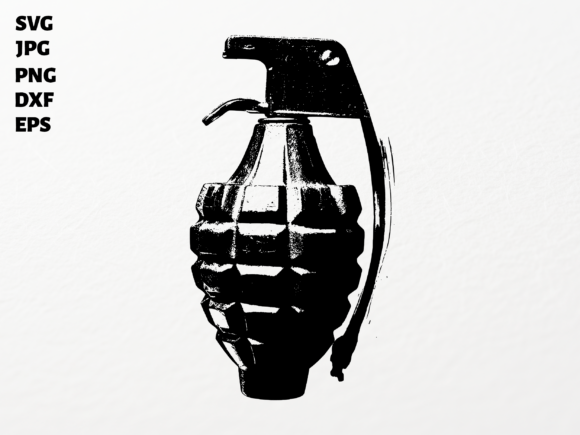
When I first pulled up the Grenade SVG for Cricut Sublimation PNG on my screen, my immediate reaction wasn't just about the graphic itself, but how it would translate from a digital Graphics file into a tangible, stitched reality. As someone who spends hours digitizing and reviewing designs for real-world application, I look past the marketing hype of "bold statements" to see if a design actually holds up under the needle. This specific grenade clipart, with its distressed black and white aesthetic, offers a gritty, vintage vibe that is currently trending in streetwear and boutique home decor. However, translating a raster-based sublimation PNG or a vector SVG into a functional machine embroidery design requires a critical eye for detail, density, and fabric compatibility.
Visual Impact and Design Personality
The core strength of this design lies in its attitude. The distressed texture gives it a worn-in, military-surplus feel that resonates well with current fashion trends. In the world of Crafts, clean lines are safe, but textured, imperfect lines tell a story. For an embroidery project, this "distressed" look presents both an opportunity and a challenge. Visually, it creates high contrast, which is excellent for grabbing attention on a product page or a craft fair table. The sharp details mentioned in the description suggest that the outlines are defined, which is crucial when you are converting this into an embroidery file. If the source image is too pixelated, those sharp details will turn into a muddy mess of thread. Assuming the resolution is high enough, this design screams "custom apparel" for brands targeting a younger, edgier demographic.
Real-World Application: The Streetwear Sweatshirt
To truly evaluate this asset, I imagined a specific scenario: creating a limited-run collection of oversized sweatshirts for a local skate shop. The goal was to place the grenade graphic on the upper back, just below the collar. In this context, the Grenade SVG for Cricut Sublimation PNG shines as a reference for digitizing. Because the original art is black and white, it simplifies the thread color selection process. I would likely choose a charcoal grey or a deep navy for the main fill to soften the harshness of pure black against a heather grey fabric, using a lighter grey for the distressed highlights.
If used directly as a sublimation transfer on a polyester blend, the result would be crisp and flat. However, for a premium handmade product, stitching adds value. The texture of the satin stitch borders combined with a varied fill stitch for the body of the grenade would mimic the distressed look of the original PNG beautifully. Customers reacting to the finished piece would likely perceive it as a high-end, custom item rather than a mass-produced print. This distinction is vital for an Etsy seller or small business owner trying to justify a higher price point.
Navigating Technical Challenges in Embroidery
While the aesthetic is strong, practical execution requires caution. The "distressed" nature of the design means there are likely many small, disconnected islands of black within the white space, or vice versa. In embroidery terms, these are potential trouble spots. When digitizing this for a custom apparel project, one must be wary of stitch density. If the distressed areas are too small, they may not stitch out cleanly, leading to thread breaks or bird-nesting underneath.
Furthermore, the choice of fabric matters immensely. On a sturdy canvas tote bag design or a denim jacket, this graphic would hold its shape perfectly. The rigid structure of the fabric supports the weight of the stitching. However, placing this on a stretchy baby onesie or a thin rayon blouse would be risky. The dense areas required to capture the black portions of the grenade could cause the fabric to pucker, distorting the iconic shape. For baby embroidery or delicate items, I would recommend simplifying the distress marks or using an applique design approach where a piece of fabric is cut to the shape and stitched down, reducing the overall thread count on the garment.
Considerations for Curved Surfaces and Small Hoops
Another critical factor is the intended placement. If you are aiming for sweatshirt embroidery on the chest, a standard 4x4 or 5x7 hoop usually suffices. But what about caps? Embroidering a detailed grenade on the curved front panel of a baseball cap requires careful positioning. The distortion caused by the curve can make straight lines look bent and detailed corners look rounded. Given the sharp details of this specific graphic, it might lose some of its aggression on a highly curved surface unless the digitizer compensates for pull compensation.
Additionally, if you are working with a small shop product line that includes keychains or small patches, you must check the minimum stitch length. Tiny details in the pin mechanism or the fuse of the grenade might disappear entirely if scaled down too far. Always test the design on scrap fabric of the same weight and texture as your final product before committing to the final run.
Enhancing Brand Value and Customer Trust
Using a distinctive graphic like this affects more than just the look of the item; it impacts brand perception. A well-executed embroidery project signals professionalism. When a customer sees clean edges, proper stabilizer usage (no show-through on the back), and thoughtful thread choices, their trust in your craft business grows. Conversely, a poorly stitched version of this design, with gaps in the distressed areas or puckering, can cheapen the perceived value instantly.
For those selling digital embroidery files or design assets, providing mockups that show this grenade on various backgrounds—light, dark, and textured—is essential. It helps buyers visualize the potential. For the maker creating the finished product, consistency is key. If you sell a series of items featuring this grenade, ensure your thread colors remain consistent across batches to maintain brand recognition.
Final Verdict and Practical Tips
The Grenade SVG for Cricut Sublimation PNG is a versatile starting point for creative entrepreneurs, but it is not a "plug-and-play" solution for high-quality embroidery without some forethought. It excels in projects that demand a rugged, bold statement, such as holiday embroidery gifts for gamers, military enthusiasts, or fans of alternative fashion. It fits naturally into categories like embroidered patch creation, where the backing can support heavy stitching, or heavy-weight custom apparel.
Before launching into production, here are my top recommendations:
- Test First: Always stitch a sample on scrap material identical to your final fabric to check for puckering or thread breaks.
- Check Licensing: Since this is a graphic asset, confirm the license terms regarding commercial use. Can you sell the physical item? Can you resell the digitized file?
- Simplify if Needed: Don't be afraid to edit the design. Removing some of the tiniest distressed specks can save hours of troubleshooting during stitching without losing the overall vibe.
- Contrast is King: Ensure your thread colors pop against the fabric. A black grenade on a black hoodie will vanish; consider using a metallic or contrasting thread for the outline.
- Stabilize Properly: Use a cut-away stabilizer for stretchy fabrics and tear-away for stable woven fabrics to ensure the design lasts through frequent washing.
In conclusion, while the Grenade SVG for Cricut Sublimation PNG offers a striking visual foundation, its success as an embroidery project depends entirely on the skill of the maker and the preparation of the file. With the right adjustments and a respect for the limitations of thread and fabric, this design can become a standout piece in any small shop product lineup, turning a simple graphic into a durable, wearable work of art.